🌳 National Trees of All Countries - World Forest Symbols
Discover official national trees from 195+ countries worldwide with detailed information including scientific names, botanical classification and environmental significance. Browse alphabetically A-Z or filter by continent to explore forest treasures like Oak (United States, Germany), Cedar (Lebanon), Maple (Canada), Eucalyptus (Australia), Banyan (India) and hundreds more native and heritage trees that represent national identity.
Benefits: Quick reference for forestry professionals • Timber trade and wood product sourcing • Market research for lumber industry • Environmental impact assessment • Comprehensive botanical database with scientific nomenclature • Sustainability analysis for green business • Strategic forestry investment planning • Carbon credit and climate initiatives

 Olive
Olive
 Whitewood
 Ceibo
Ceibo
 Golden Wattle
 Lignum Vitae
 Mango Tree
 Honduras Mahogany
 Bhutan Cypress
 Brazilwood
 Palmyra Palm

 Monkey Puzzle Tree
 Quindio Wax Palm
 Guanacaste

 Cuban Royal Palm
 Golden Oak

 European Beech
 West Indian Mahogany

 Maquilishuat

 Pedunculate Oak
 Birch, Silver Birch
 Oak
Oak
 Olive
Olive
 Kapok
Kapok
 Royal Palm
 Banyan Tree
 Teak
Teak
 Mediterranean Cypress
 Sessile Oak
 Olive
Olive

 Blue Mahoe

 Frangipani

 Lebanon Cedar

 Baobab
 Coconut Palm
 Sandarac Tree
 Ahuehuete

 Rhododendron


 Pine
Pine
 Macedonian Pine
 Deodar


 Cork Oak
 Oak
Oak
 Siberian Fir
 Phoenix Palm
 Scots Pine


 Lime Trees
 Real Yellowwood

 Sri Lankan Ironwood

 African Blackwood
 Golden Rain Tree
 Willow

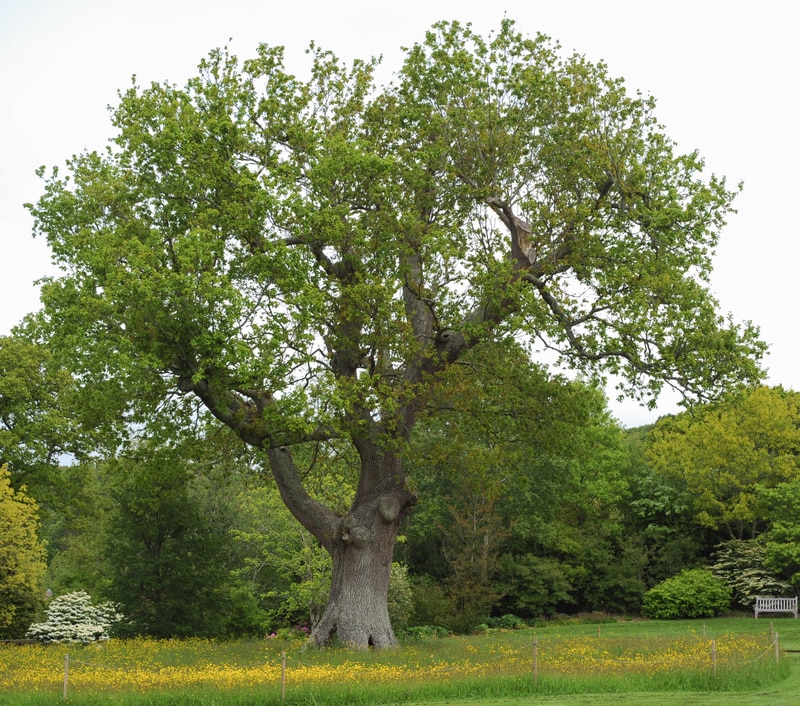 Oak
Oak


🌲 Complete Professional Guide to National Trees Worldwide
🌍 What Are National Trees?
National trees are officially designated tree species that represent a country's forest heritage, environmental values and natural identity. Governments select these trees based on criteria including native origin, ecological significance, historical cultivation, timber value, and environmental symbolism. Each national tree embodies the unique climate, biodiversity and forestry traditions that define a nation's relationship with its natural environment.
📊 Business Applications & Forestry Intelligence
- Timber Trade Planning: Identify premium wood species for lumber import-export operations
- Forestry Investment: Target countries with established sustainable timber cultivation
- Furniture Industry: Source native woods for high-quality furniture manufacturing
- Paper & Pulp: Analyze regional timber availability for paper production
- Environmental Consulting: Assess biodiversity for sustainability projects
- Carbon Credit Trading: Identify forest conservation opportunities for climate initiatives
💰 Economic Impact & Global Forestry Market
The global timber market exceeds $600 billion annually, with national trees representing premium wood species commanding higher market prices. Major timber importers include China ($50B+ annually), United States ($15B+), Japan ($12B+) and European Union members. Understanding national tree species helps businesses identify sustainable sourcing opportunities, premium hardwoods for furniture, and fast-growing species for pulp production. The industry supports over 13 million jobs globally in forestry, wood processing and environmental management.
🌱 Environmental & Ecological Significance
National trees play crucial roles in carbon sequestration, biodiversity conservation and climate regulation. Many species store significant carbon dioxide equivalents over their lifetimes, contributing to climate change mitigation efforts. These trees support entire ecosystems, providing habitat for wildlife, preventing soil erosion, and maintaining water cycles. Understanding national trees helps environmental consulting firms assess reforestation potential, ecosystem services value, and natural capital accounting for green finance initiatives.
🏗️ Construction & Building Materials
Many national trees provide premium construction timber with specific properties ideal for building applications. Oak, Teak, Mahogany, Cedar and Pine species are highly valued for their durability, strength and aesthetic appeal. Construction firms and architects use this data for material sourcing decisions, sustainable building certifications (LEED, BREEAM), and specification compliance. The database helps identify local timber sources that reduce transportation costs and carbon footprint while supporting regional forestry industries.
🔬 Botanical & Scientific Research
Each national tree entry includes scientific botanical nomenclature (Latin names) following international taxonomic standards. This enables precise species identification for forestry research, genetic conservation, seed banking, and biodiversity studies. Research institutions use this data for climate adaptation studies, disease resistance analysis, and breeding programs. The pharmaceutical industry also references native tree species for bio-prospecting medicinal compounds and developing natural products.