Current Date And Time In Gwangju, South Korea
Wednesday, 12 August 2026
21:57:30 KST
Capital: Gwangju
Currency: South Korean Won (KRW)
Timezone: UTC +09:00 (KST)
Population: 1,442,000
Area: 501.18 km²
State Code: 29
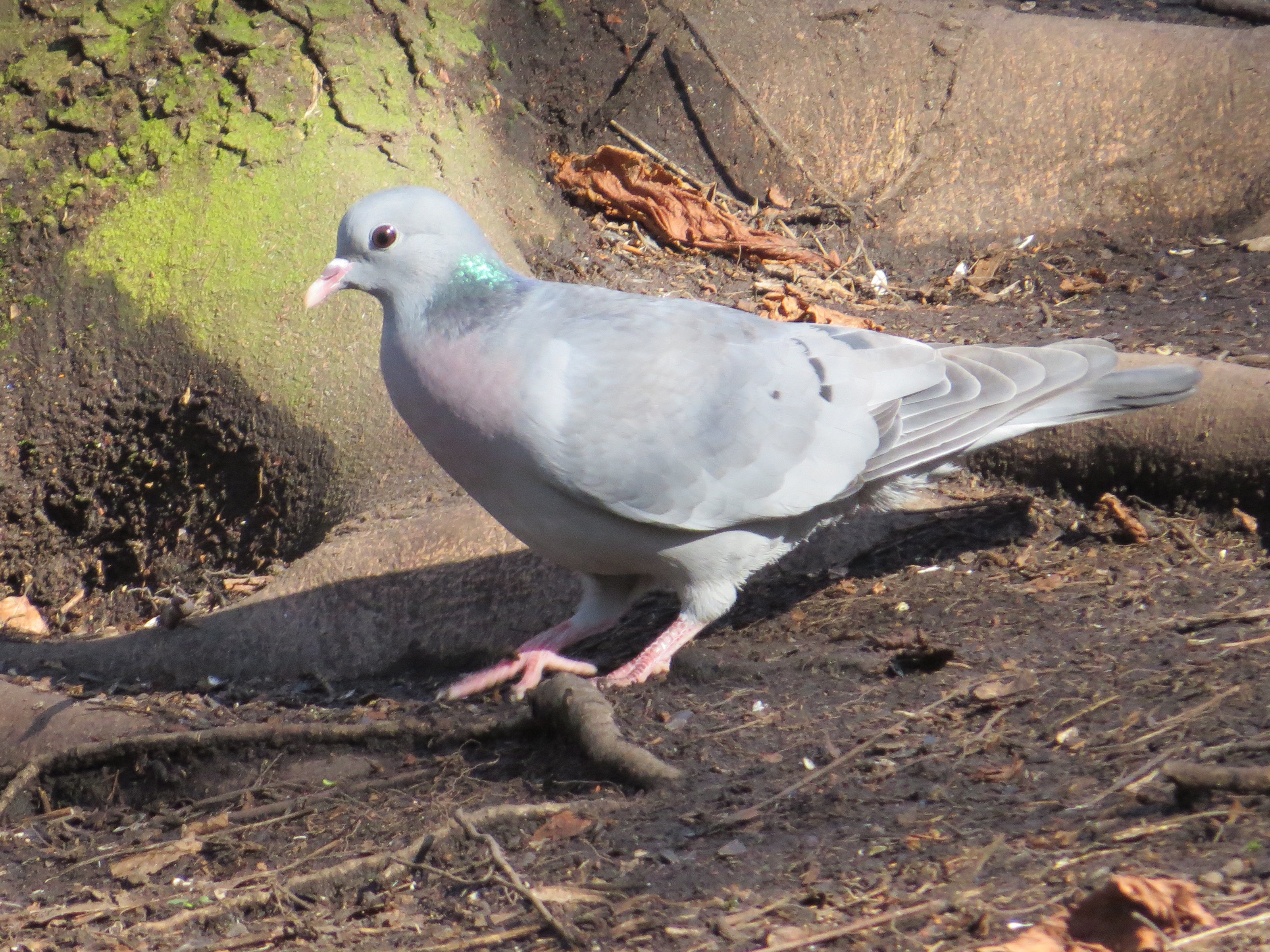
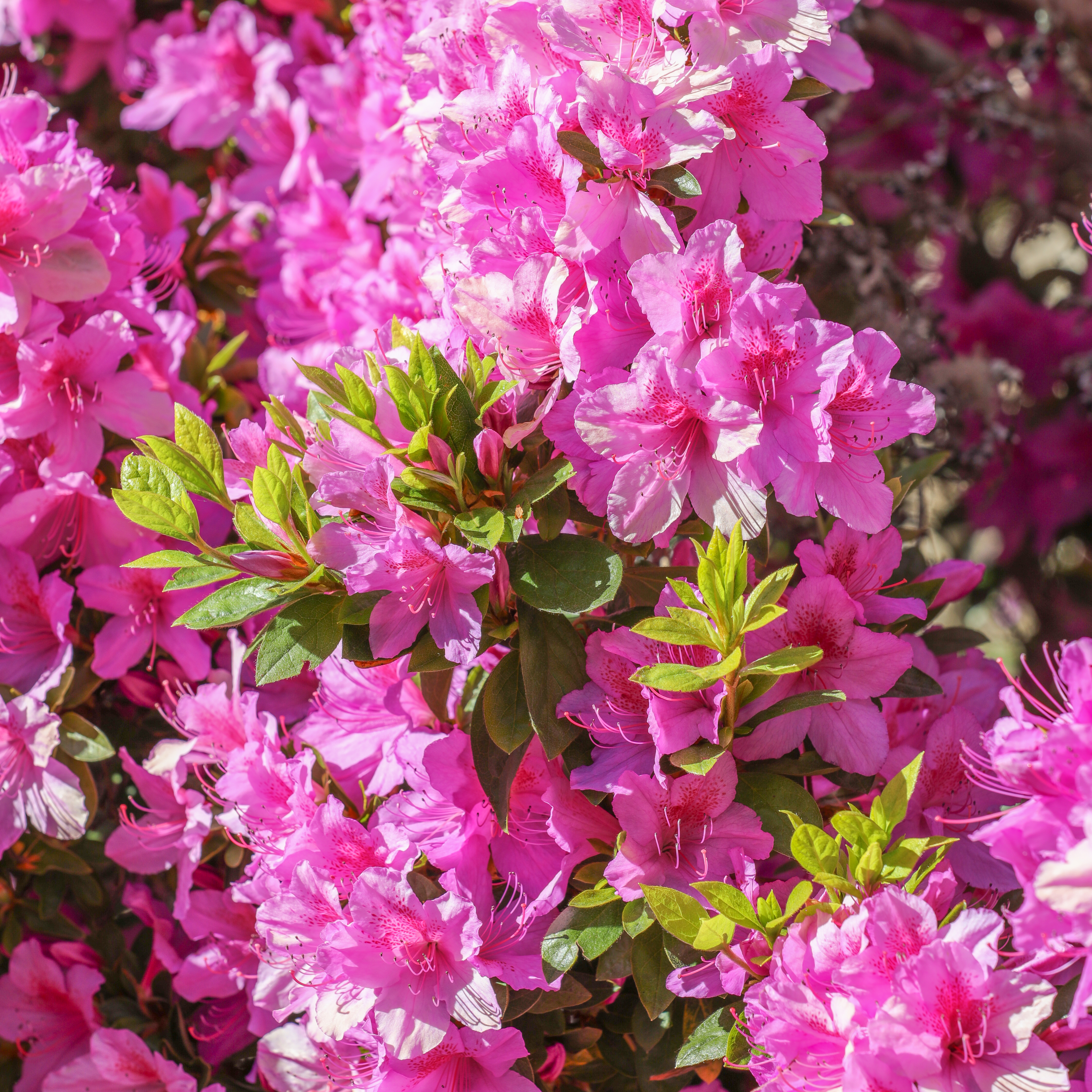
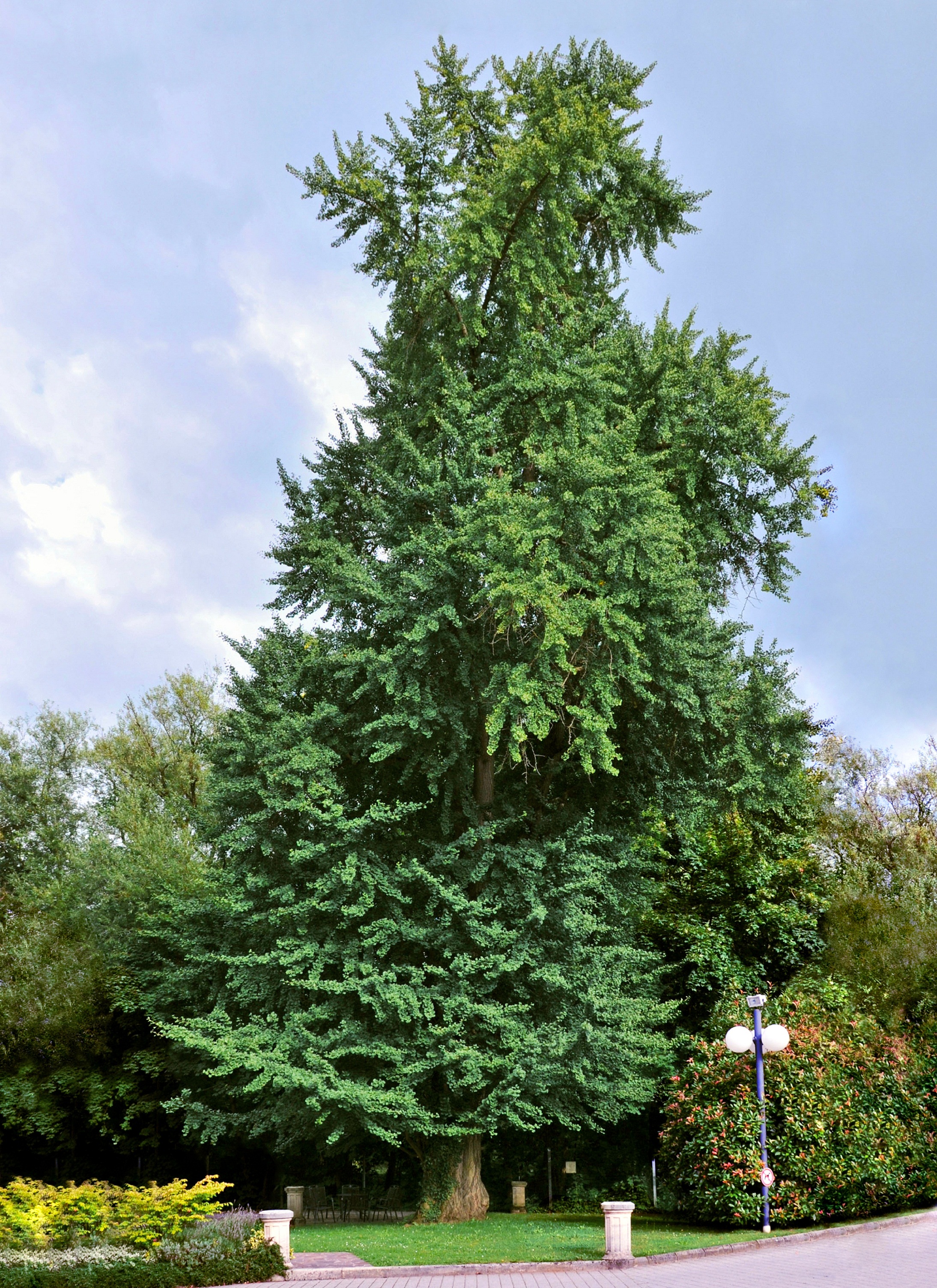
Explore the official state symbols of Gwangju, South Korea. Every sovereign state and federal territory designates unique symbols representing its cultural identity, regional heritage and natural biodiversity. This guide includes detailed taxonomic classifications, scientific names, descriptions and high-quality visuals for Gwangju's official flag, seal, state bird, animal, flower and tree. Access this data for localization projects, brand positioning and location intelligence reference.
Key Benefits: Location intelligence for brand positioning and market research • Complete taxonomic reference with scientific names • Visual database for creative asset planning • Regional heritage data for strategic decision-making.
Quick Links: Overview | Map | Currency | Cities | Travel Guide
📷 All images sourced from Wikimedia Commons (free-licensed under Creative Commons & public domain).
State symbols represent subnational identity, regional flora and fauna and the distinct cultural history of Gwangju. Designated by local governance, these symbols showcase native biodiversity and geographical characteristics unique to this territory. Unlike national symbols that seek to unify a country under one identity, subnational state symbols showcase the distinct regional characteristics and ecological profile of a single province or territory.
Brand managers, corporate marketers and regional advertisers leverage state symbols for authentic local positioning and brand messaging. Aligning products or campaigns with recognized local flora or fauna (such as the state bird or tree) allows businesses entering the Gwangju market to build immediate regional connectivity, brand loyalty and resonance with local consumers.
Sourcing agents, agribusiness planners and logistics coordinators use data on designated native state plants and timber species to gain location intelligence. The presence of official species provides insight into climatic conditions, soil types and regional environmental profiles, supporting strategic decision-making and supply chain setup in the region.
Many state symbols are selected because they are native or endemic to Gwangju's unique geography. Highlighting these species increases wildlife awareness, supports local biodiversity programs and assists travel planners designing eco-tourism itineraries. The official fauna and flora database serves as a vital index for environmental assessments and location-based intelligence.
State flags and emblems reflect the political history, early settlements and core civic values of Gwangju. They are incorporated into regional government seals, official administrative documents and local trade campaigns, establishing the subnational authority's unique brand and regional heritage identity.
Our database provides complete scientific nomenclature (including zoological binomials and botanical classifications) to ensure accurate species identification. Business professionals, content creators and corporate intelligence researchers rely on this structured data lookup to verify species details for localized campaigns and compliance projects.
National Flags | National Animals | National Birds | National Flowers | National Trees | National Fruits