Jackfruit - Sri Lanka National Fruit
Fruit Information
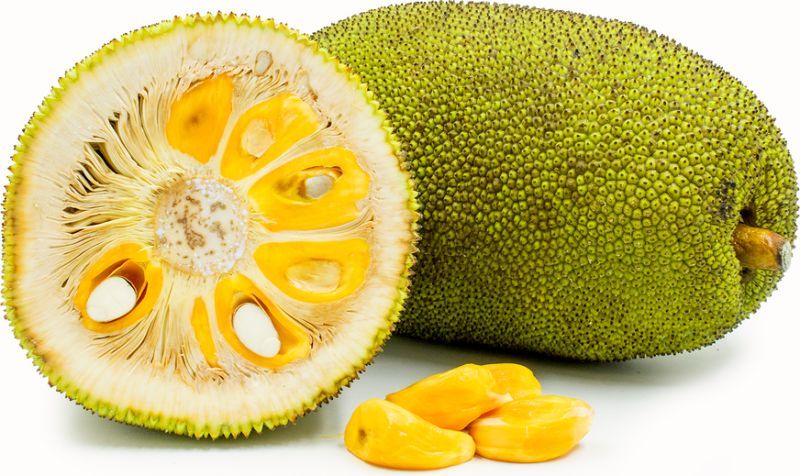
Culturally, Jackfruit holds special meaning within Sri Lanka society, often featuring in traditional celebrations, culinary preparations and cultural practices passed down through generations. The fruit's designation as a national symbol reflects its deep integration into the country's identity and heritage. Modern applications continue to evolve while maintaining respect for traditional uses and cultural significance, ensuring that Jackfruit remains an important part of the nation's agricultural and cultural landscape.
| Fruit Name | Jackfruit |
| Scientific Name | Artocarpus Heterophyllus |
| Country | Sri Lanka |
| Continent | Asia |
| Fruit Season | Year-round |
| Fruit Color | Green to Yellow |
| Fruit Size | Very Large |
| Fruit Taste | Sweet-Aromatic |
| Fruit Origin Region | South Asia |
| Designation Year | 1948 |
| Peak Month | April-September |
| Economic Importance | Food Security Crop |
| Cultural Use | Sri Lankan cuisine, Buddhist culture |
| Processing Type | Fresh, Cooked, Curry, Chips |
| Fruit Shape | Large Oval |
| Texture | Fibrous and Sweet |
| Nutritional Value | Vitamin C, Potassium, Fiber |
| Storage Type | Room temperature unripe |
| Harvest Method | Cutting from tree |
| Shelf Life | 2-5 days ripe |
| Climate Type | Tropical humid |
| Soil Type | Rich alluvial |
| Water Requirement | High |
| Tree Height | 20-25 meters |
| Flowering Season | Year-round |
| Fruiting Age | 3-8 years |
| Yield Per Tree | 50-150 fruits |
| Export Countries | Sri Lanka, India, Bangladesh |
| Import Countries | Middle East, Maldives |
| Medicinal Use | Blood pressure, Immunity |
| Festival Association | Sinhala New Year, harvest festivals |
| Historical Significance | Ancient Lankan cultivation |
| Alternative Names | Kos, Waraka, Ceylon Jackfruit |
Detailed Information
Cultivation & Origin
The cultivation of Jackfruit in Sri Lanka reflects the country's suitable climate conditions and agricultural expertise developed over generations. Local farmers have perfected growing techniques that maximize both yield and quality, ensuring that this fruit meets the nutritional needs of the population while also contributing to the local economy. The fruit's adaptation to local growing conditions demonstrates the harmony between agricultural practices and environmental factors.
Nutritional Benefits
From a nutritional perspective, Jackfruit offers a rich array of vitamins, minerals and bioactive compounds that support overall health and wellness. The fruit contains essential nutrients that contribute to immune system function, digestive health and provide natural energy sources. Regular consumption of Jackfruit as part of a balanced diet can contribute to meeting daily nutritional requirements and supporting long-term health goals.
Economic & Agricultural Significance
The economic significance of Jackfruit extends beyond simple agricultural production to encompass processing, distribution and various value-added applications within Sri Lanka. Local communities often depend on this fruit for both subsistence and income generation, with cultivation and processing providing employment opportunities in rural areas. The fruit's economic impact supports local markets and contributes to food security within the region.
Cultural & Modern Applications
Culturally, Jackfruit holds special meaning within Sri Lanka society, often featuring in traditional celebrations, culinary preparations and cultural practices passed down through generations. The fruit's designation as a national symbol reflects its deep integration into the country's identity and heritage. Modern applications continue to evolve while maintaining respect for traditional uses and cultural significance, ensuring that Jackfruit remains an important part of the nation's agricultural and cultural landscape.