🦁 National Animals of Africa Countries - Wildlife Symbols & Directory
Discover official national animals from 195+ countries worldwide with complete details including scientific names, species classification and cultural significance. Browse alphabetically A-Z or filter by continent to explore iconic wildlife like Lion (Ethiopia, Bulgaria, England), Tiger (India, Bangladesh, Malaysia), Bald Eagle (United States), Snow Leopard (Pakistan, Afghanistan), Komodo Dragon (Indonesia), Jaguar (Mexico, Brazil) and hundreds more remarkable species that embody each country's natural heritage and national pride.
Benefits: Quick reference for wildlife conservation professionals • Eco-tourism planning and safari destination research • Market research for wildlife documentary and photography industry • Brand identity analysis for international sports teams and corporate logos • Location intelligence for wildlife habitat protection • Strategic decision-making for nature-based tourism investors • Comprehensive zoological database with scientific nomenclature
| Country | Animal Name | Scientific Name |
|---|---|---|
| A | ||
 Algeria Algeria | 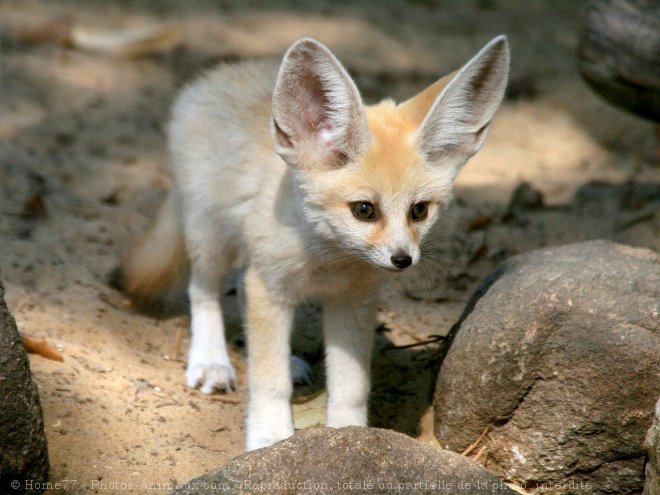 Fennec Fox Fennec Fox | Vulpes Zerda |
 Angola Angola | 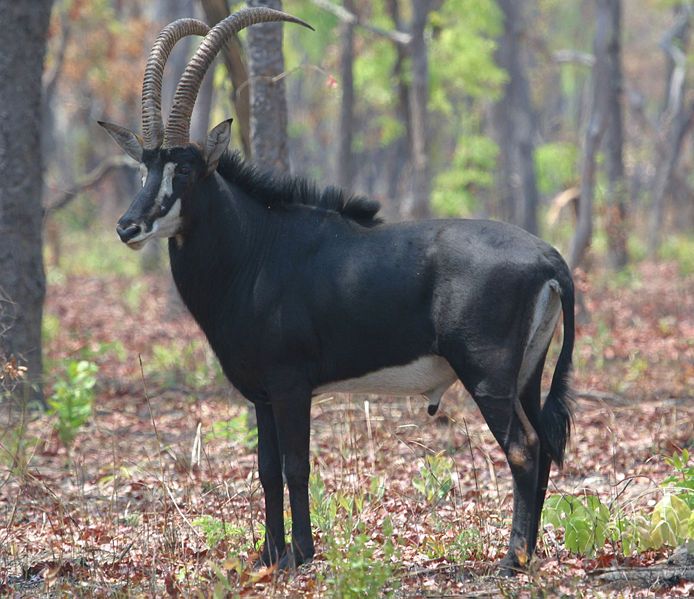 Sable Antelope Sable Antelope | Hippotragus Niger |
| B | ||
 Botswana Botswana | 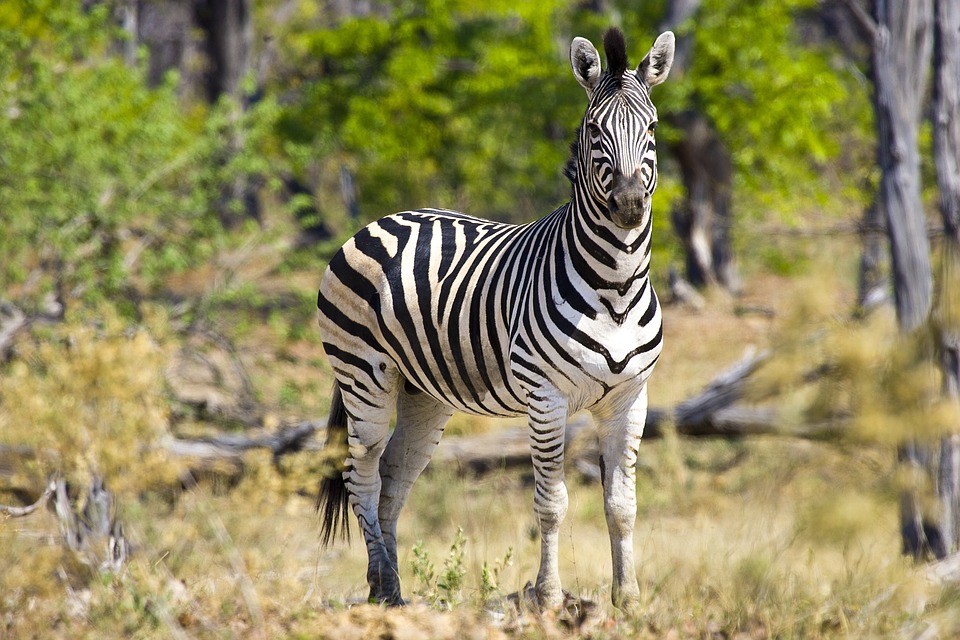 Zebra Zebra | Equus Quagga |
| D | ||
 Democratic Republic Of The Congo Democratic Republic Of The Congo | 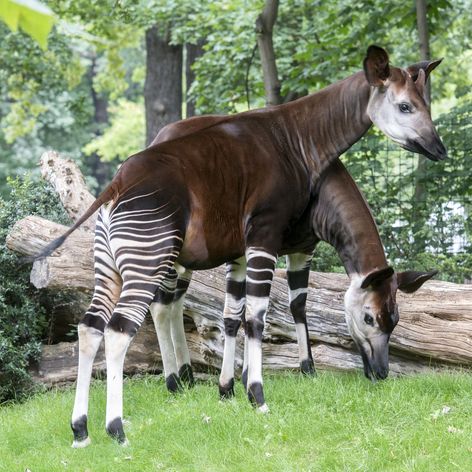 Okapi Okapi | Okapia Johnstoni |
| E | ||
 Egypt Egypt | 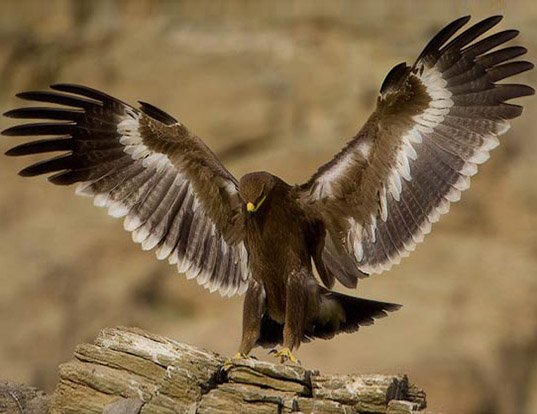 Steppe Eagle Steppe Eagle | Aquila Nipalensis |
 Eritrea Eritrea | 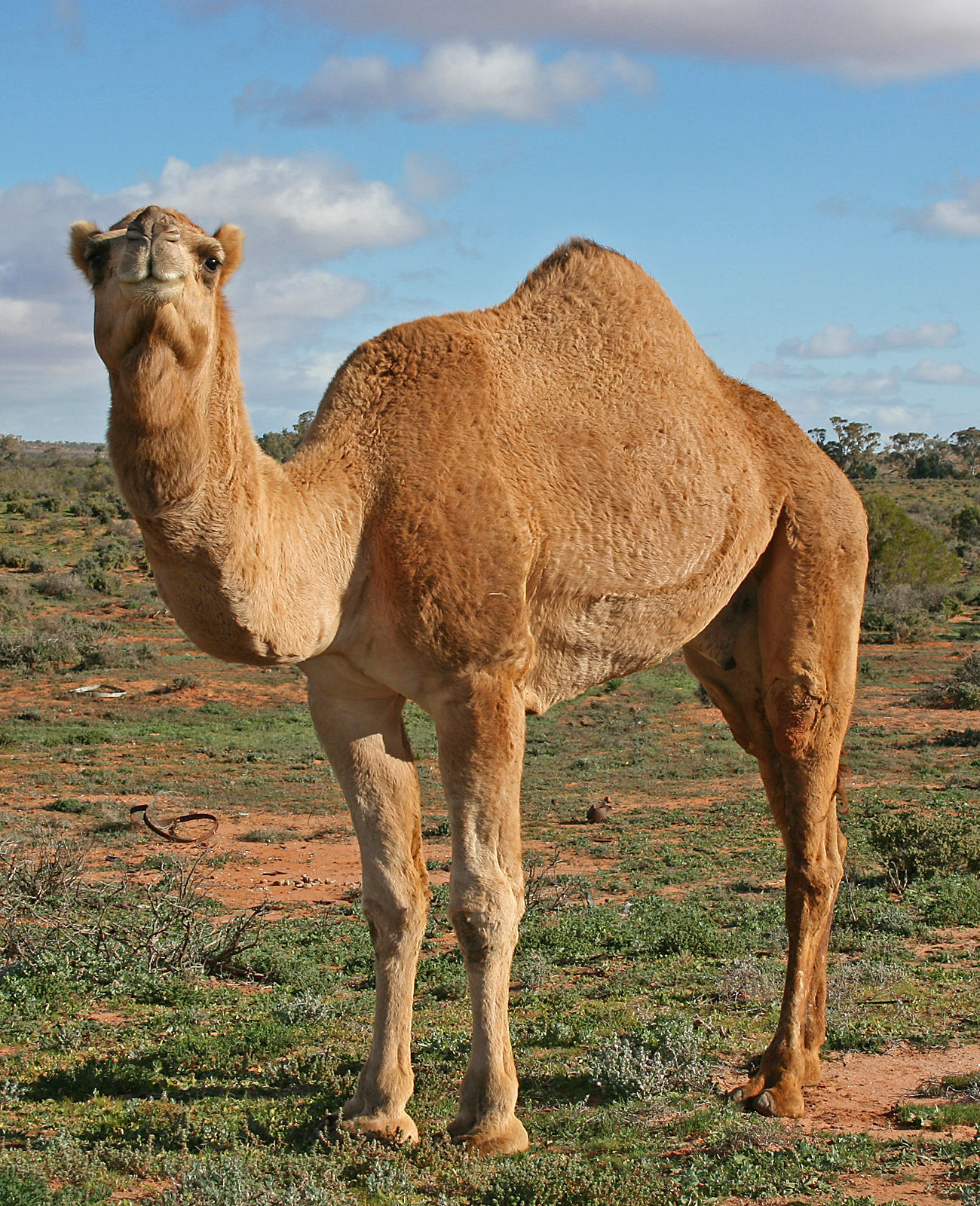 Arabian Camel Arabian Camel | Camelus Dromedarius |
 Eswatini Eswatini | 🦁Thomson's Gazelle | Eudorcas Thomsonii |
 Ethiopia Ethiopia | 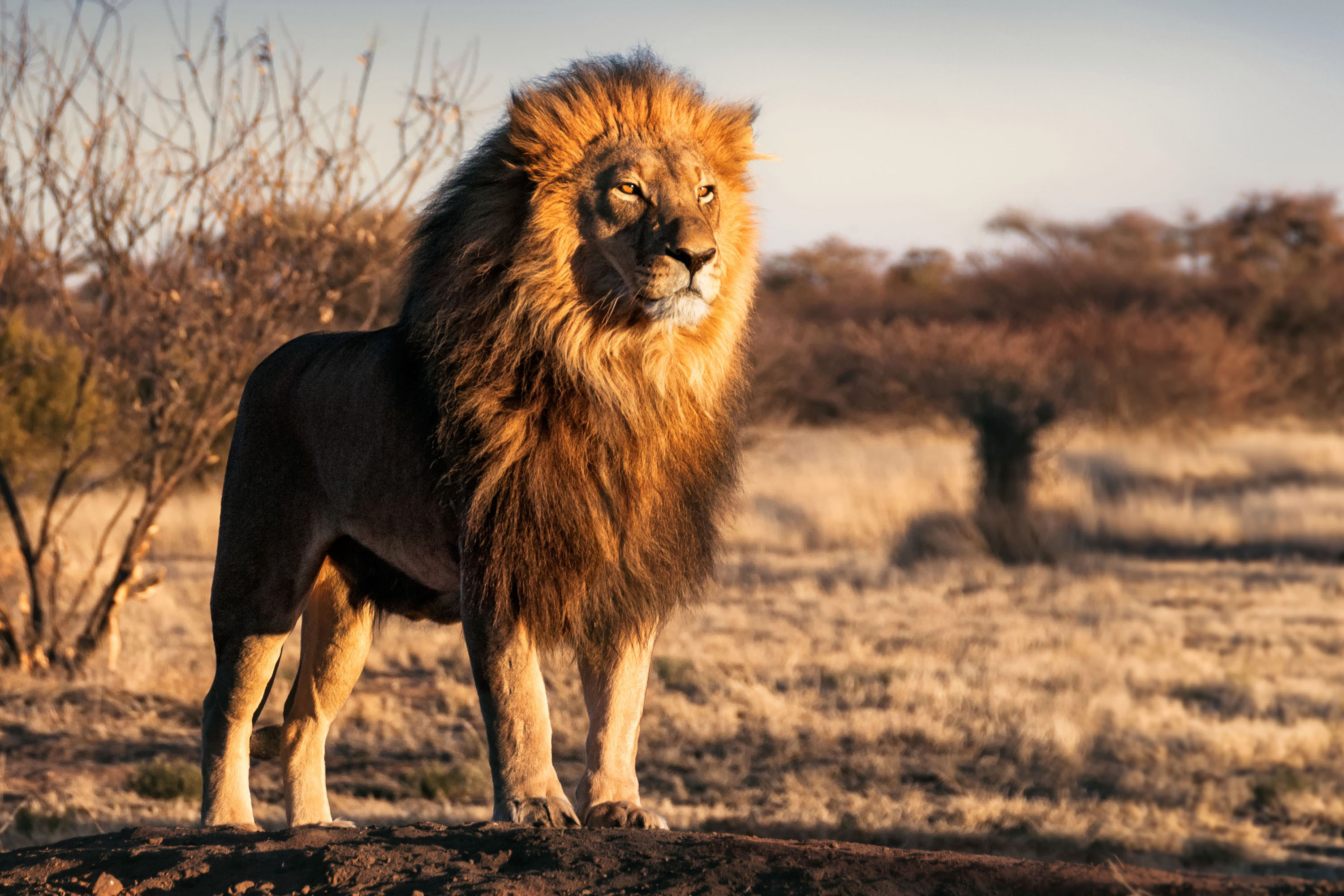 Lion Lion | Panthera Leo |
| G | ||
 Ghana Ghana | 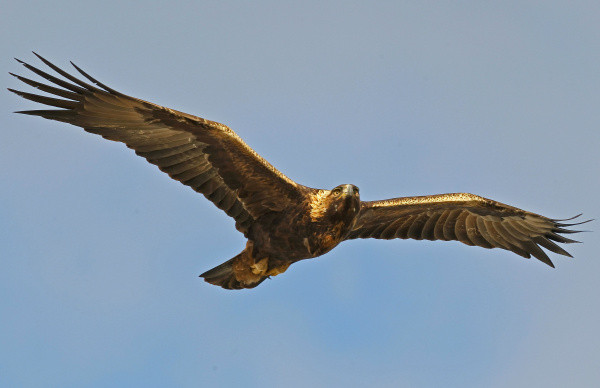 Golden Eagle Golden Eagle | Aquila Chrysaetos |
| I | ||
 Ivory Coast Ivory Coast | 🦁African Elephant | Loxodonta |
| K | ||
 Kenya Kenya | 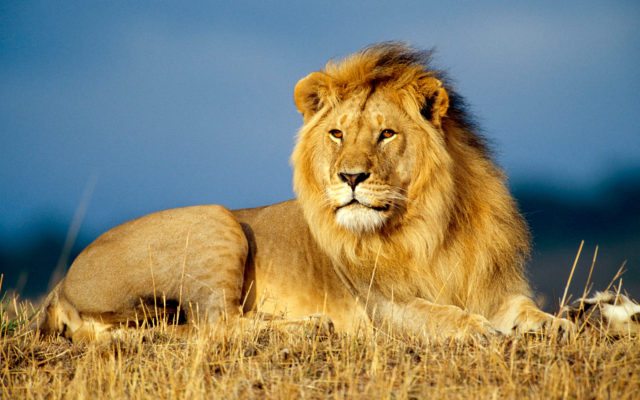 Lion Lion | Panthera Leo |
| L | ||
 Lesotho Lesotho | 🦁Black Rhino | Diceros Bicornis |
 Liberia Liberia | 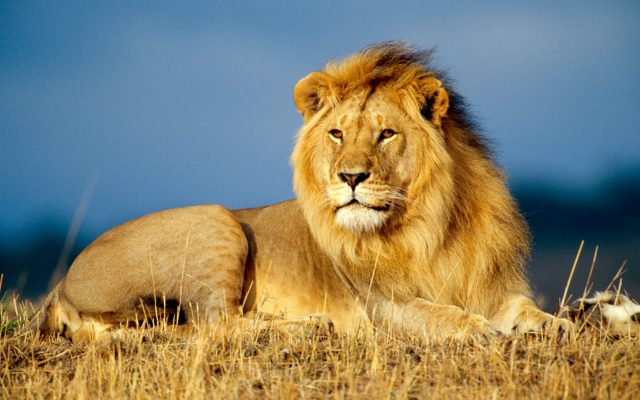 Lion Lion | Panthera Leo |
| M | ||
 Madagascar Madagascar | 🦁Ring-Tailed Lemur | Lemur Catta |
 Malawi Malawi | 🦁Thomson's Gazelle | Eudorcas Thomsonii |
 Mauritius Mauritius | 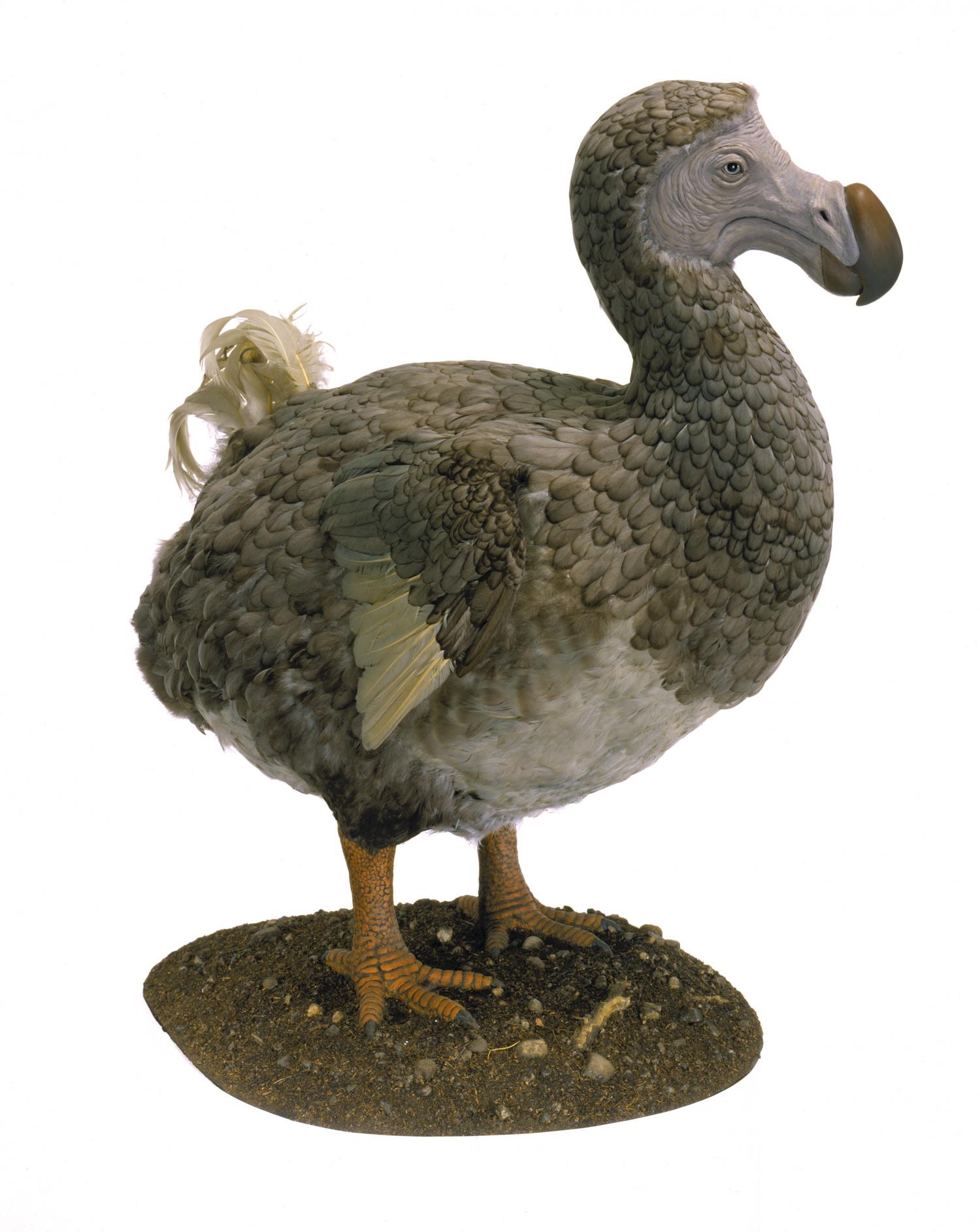 Dodo Dodo | Raphus Cucullatus |
 Morocco Morocco | 🦁Barbary Lion | Panthera Leo Leo |
 Mozambique Mozambique | 🦁African Elephant | Loxodonta Africana |
| N | ||
 Namibia Namibia | 🦁Oryx | Oryx Leucoryx |
 Nigeria Nigeria | 🦁Eagle | Hieraatus Spilogaster |
| R | ||
 Rwanda Rwanda | 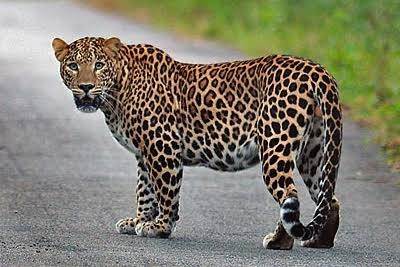 Leopard Leopard | Panthera Pardus |
| S | ||
 Somalia Somalia | 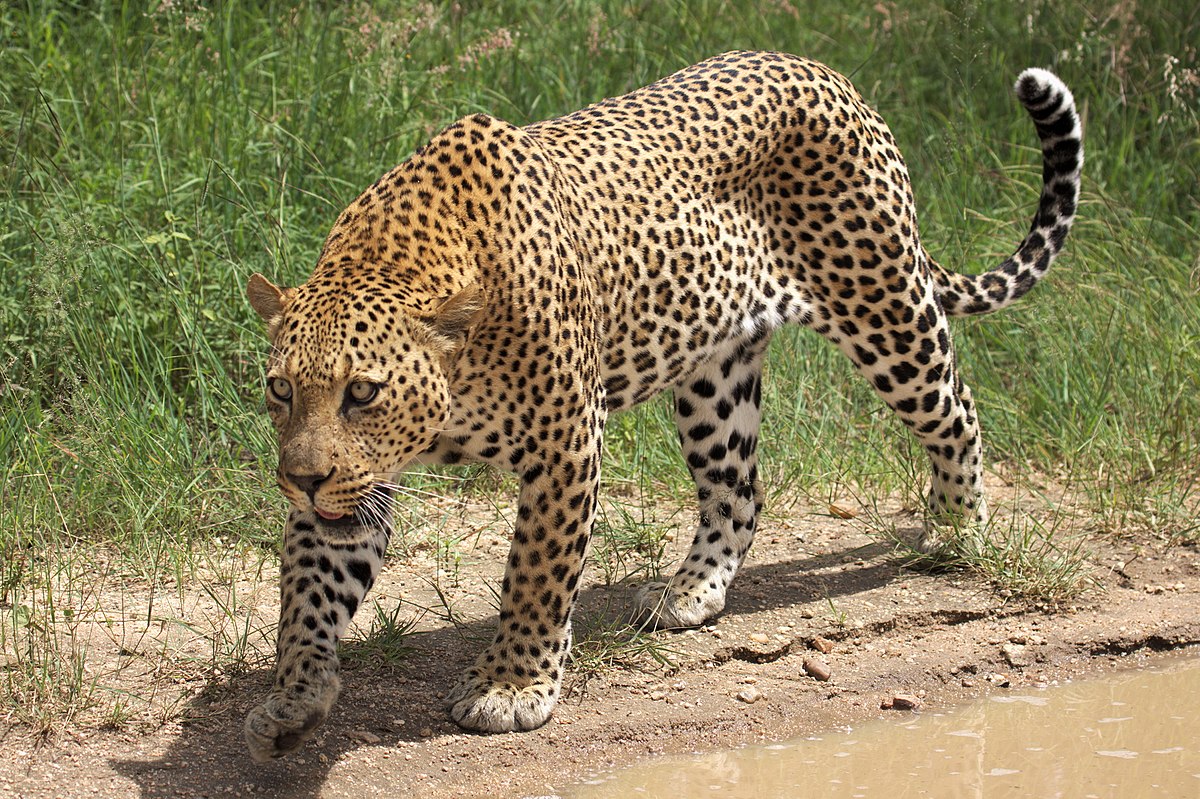 Leopard Leopard | Panthera Pardus |
 South Africa South Africa | 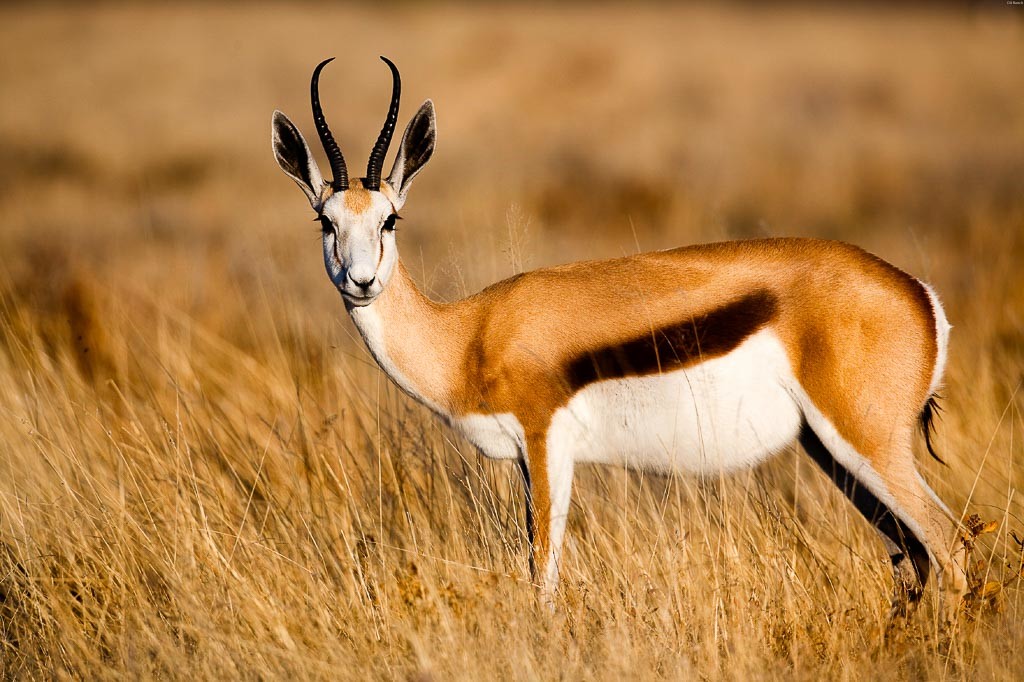 Springbok Springbok | Antidorcas Marsupialis |
 South Sudan South Sudan | 🦁African Fish Eagle | Haliaeetus Vocifer |
| T | ||
 Tanzania Tanzania | 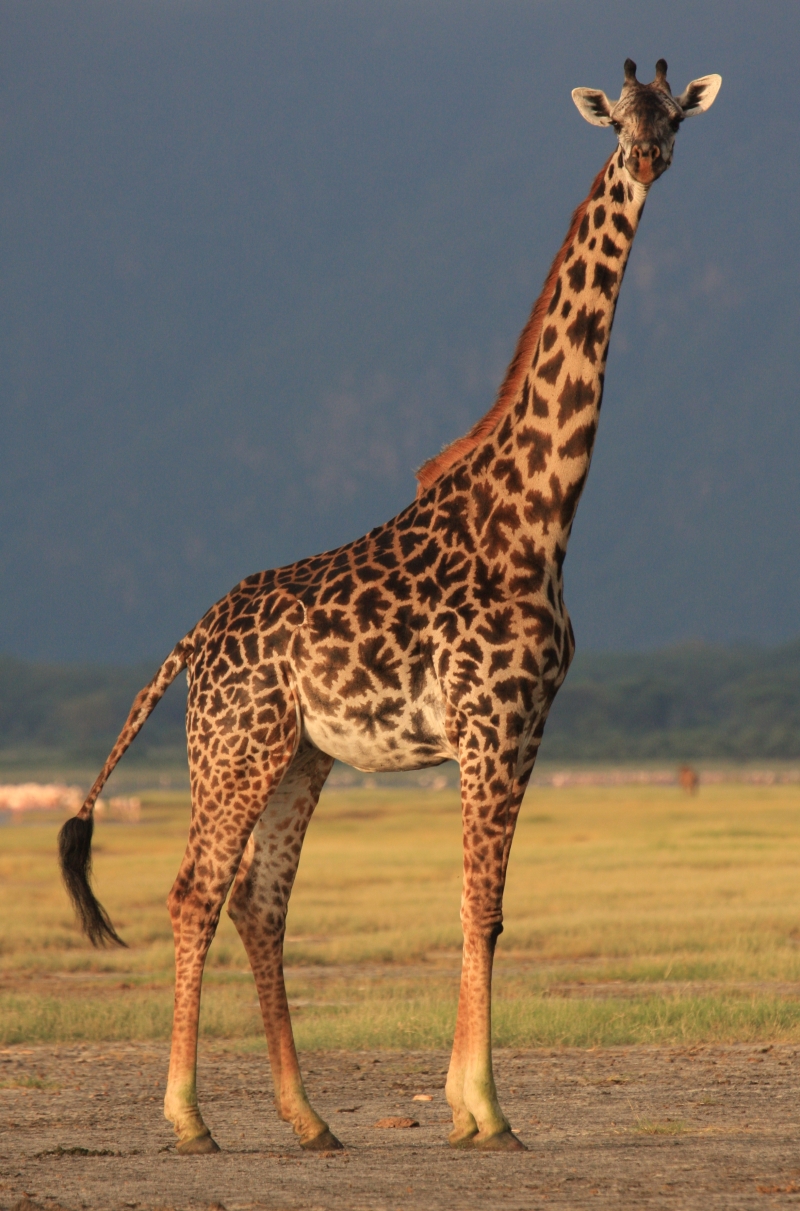 Giraffe Giraffe | Giraffa Camelopardalis |
| Z | ||
 Zambia Zambia | 🦁African Fish Eagle | Haliaeetus Vocifer |
 Zimbabwe Zimbabwe | 🦁Sable Antelope | Hippotragus Niger |
| 🏆 Most Common National Animals |
|---|
🦁Lion(15+ countries) Ethiopia, England, Bulgaria, Morocco, Sri Lanka |
🦅Eagle(25+ countries) USA, Germany, Mexico, Poland, Egypt, Philippines |
🐯Tiger(6+ countries) India, Bangladesh, Malaysia, South Korea |
🐘Elephant(5+ countries) Sri Lanka, Thailand, Côte d'Ivoire, India |
🦌Deer/Stag(8+ countries) Ireland, Scotland, Hungary, Barbados, Palau |
🦁 Complete Professional Guide to National Animals Worldwide
🌍 What Are National Animals?
National animals are officially designated wildlife species that represent a country's natural heritage, cultural identity and ecological values. Governments and official bodies select these animals based on criteria including native origin, historical symbolism, cultural importance, rarity and conservation status. Each national animal embodies the unique biodiversity, landscape and wildlife traditions that define a nation's relationship with the natural world.
📊 Business Applications & Wildlife Intelligence
- Eco-Tourism Planning: Identify top wildlife destinations for safari, birdwatching and nature-based travel packages
- Brand Identity Analysis: Research national animal usage in sports team logos, corporate branding and national marketing campaigns
- Market Research: Understand regional wildlife culture for consumer product targeting and international campaigns
- Conservation Investment: Target countries with endangered national animals for habitat restoration and wildlife projects
- Documentary Production: Locate prime filming locations for wildlife documentaries and nature content
- Wildlife Trade Compliance: Cross-reference protected species lists with CITES regulations for international business
🗺️ Regional Wildlife Distribution by Continent
Africa (50+ countries): Home to iconic big game — Lion (Ethiopia, Morocco, Bulgaria), Leopard (Somalia), Springbok (South Africa), African Elephant (Côte d'Ivoire) and Fennec Fox (Algeria). Africa's wildlife tourism generates $29+ billion annually.
Asia (45+ countries): Features remarkable diversity — Tiger (India, Bangladesh, Malaysia, South Korea), Snow Leopard (Pakistan, Afghanistan), Giant Panda (China), Komodo Dragon (Indonesia) and Yak (Nepal).
Americas & Europe: Known for Bald Eagle (United States), Jaguar (Mexico, Brazil), Condor (Bolivia, Colombia), Brown Bear (Finland, Russia), Golden Eagle (Germany, Mexico, Austria) and White-Tailed Eagle (Poland).
🛡️ Conservation & Ecological Significance
Many national animals are threatened or endangered species listed on the IUCN Red List. Their national status drives government-funded conservation programs and international protection treaties. Understanding which countries' national animals face extinction risk helps conservation NGOs, wildlife funds and government agencies prioritize habitat protection and anti-poaching initiatives. The global wildlife conservation market exceeds $10 billion annually, driven by public and private sector commitment to protecting these iconic species.
🏆 Cultural Identity & National Symbolism
Sports Teams: Over 40 national sports teams use their national animal as their team mascot or nickname — from the Australian Kangaroos to the New Zealand All Blacks Fern
National Emblems: Eagles feature on the national emblems of USA, Germany, Mexico, Egypt, Poland and 20+ other countries
Currency & Stamps: National animals appear on banknotes, coins and postage stamps worldwide, reinforcing cultural identity
Diplomatic Gifts: Rare national animals like Giant Pandas (China) are gifted as diplomatic symbols strengthening international relations
🌿 Wildlife Tourism & Economic Value
Global wildlife tourism is a $182 billion industry growing at 3.9% annually. Countries with iconic national animals attract millions of visitors for safaris, nature reserves and wildlife encounters:
- India's Tiger Reserves: 53 tiger reserves attract 1.5 million visitors annually, generating $280M+ in wildlife tourism revenue
- Kenya's Lion Safari: Wildlife tourism contributes 10% to Kenya's GDP — $1.8 billion per year
- Australia's Kangaroo Icon: Wildlife tourism worth $11.5 billion annually, employing 147,000+ workers
- China's Panda Tourism: Giant Panda reserves in Chengdu attract 5+ million visitors per year
- Galapagos Marine Iguana: Ecuador's nature tourism generates $418M yearly from unique endemic wildlife
🌍 World Animal Day — October 4th Every Year
Celebrated annually on October 4th, World Animal Day is a global movement raising the status of animals to improve welfare standards worldwide. It was first observed in 1931 in Florence, Italy. Today, over 100 countries participate through events, campaigns and wildlife awareness programs — many centered around their national animals. This page is a valuable resource for wildlife advocates, conservationists and nature enthusiasts marking this special day.
🔗 Explore Related National Symbols & Data
🏳️ National Flags | 🦅 National Birds | 🌸 National Flowers | 🌳 National Trees | 🍎 National Fruits | ⚽ National Sports